
Understand What Fragmentation Is Really Costing You
Access the white paper to explore the operational impact of disconnected systems and the path to more connected execution.
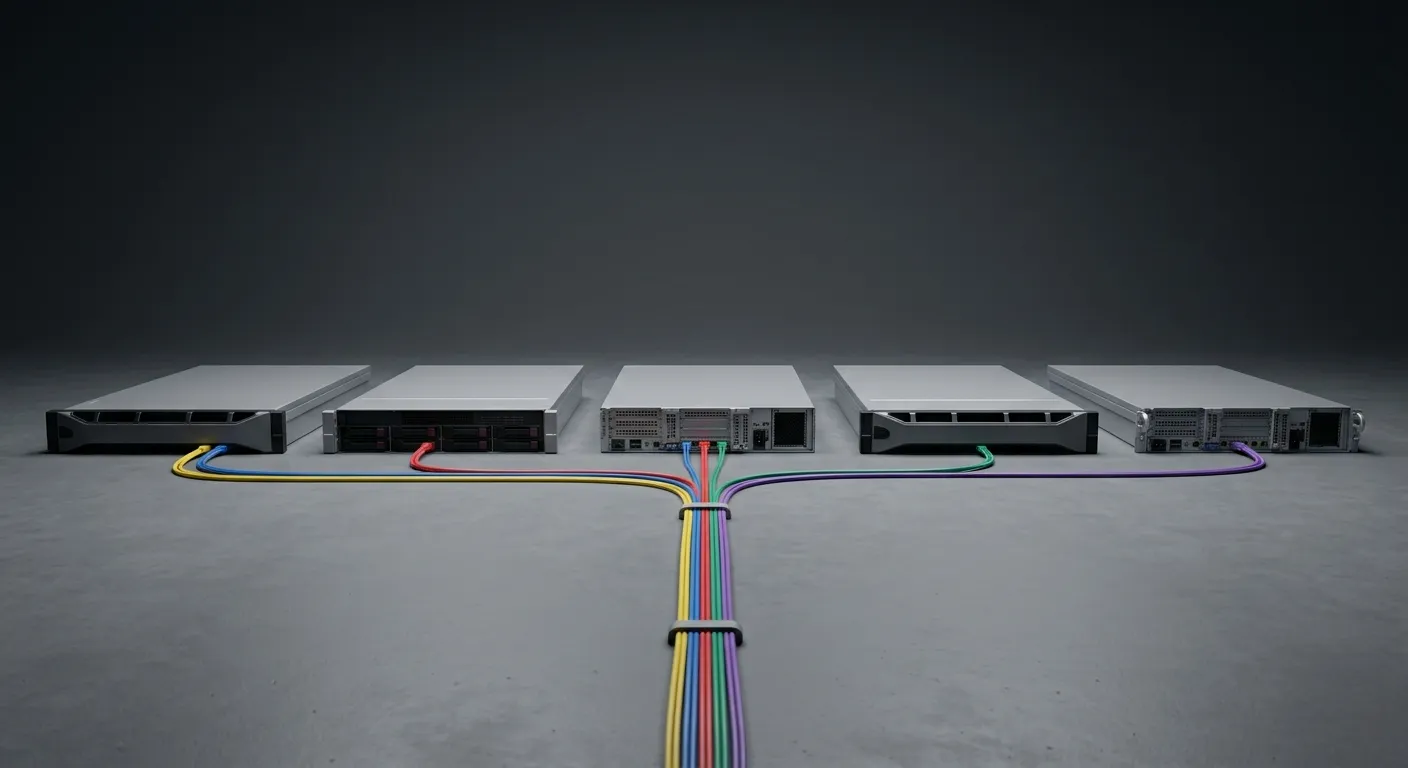
The Hidden Cost of Fragmented Upstream Operations
Why disconnected systems, manual coordination, and static plans are slowing execution — and what a more connected operating model looks like.
Fragmentation is not just a systems problem. In upstream operations, it creates delay, increases risk, weakens visibility, and makes consistent execution harder to achieve. When requirements, procedures, engineering design parameters, equipment limits, incident history, and real-time data live across disconnected systems, teams are forced to bridge the gaps manually — often under pressure and without complete context.
This white paper explores the operational cost of that fragmentation, why current tools still fall short, and what becomes possible when organizations move from static plans and manual coordination to a more connected operating model.
Inside, you'll learn:
- Why fragmentation creates operational drag across planning and execution
- What disconnected inputs mean for safety, consistency, and responsiveness
- How static Plans of Action become a bottleneck when conditions change
- Why trustworthy automation and AI depend on connected operational context
- What a more adaptive, execution-ready model looks like
Complete The Form To Download
Required fields *